Know the difference between DIY tasks and professional work
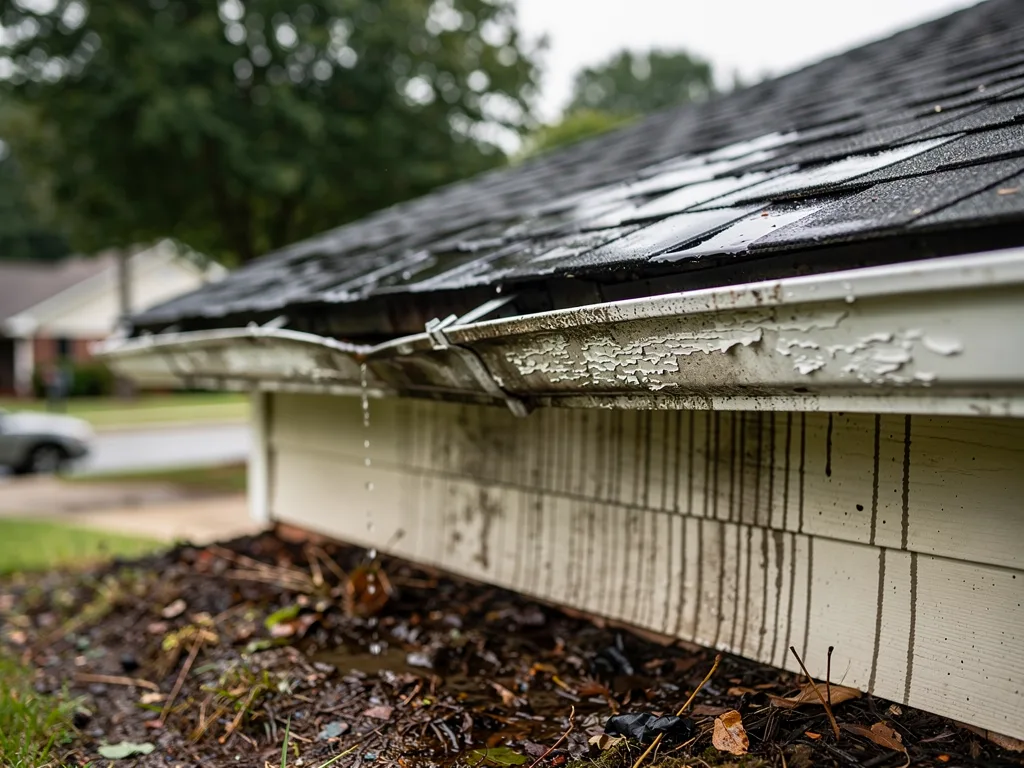
Gutters are simple in function but tricky in detail. Basic debris removal, checking for loose hardware, and supervising a repaint of the fascia are safe tasks for a homeowner. But when you see bent sections, separated seams, or a change in drainage flow, that signals more work than a quick wipe down.
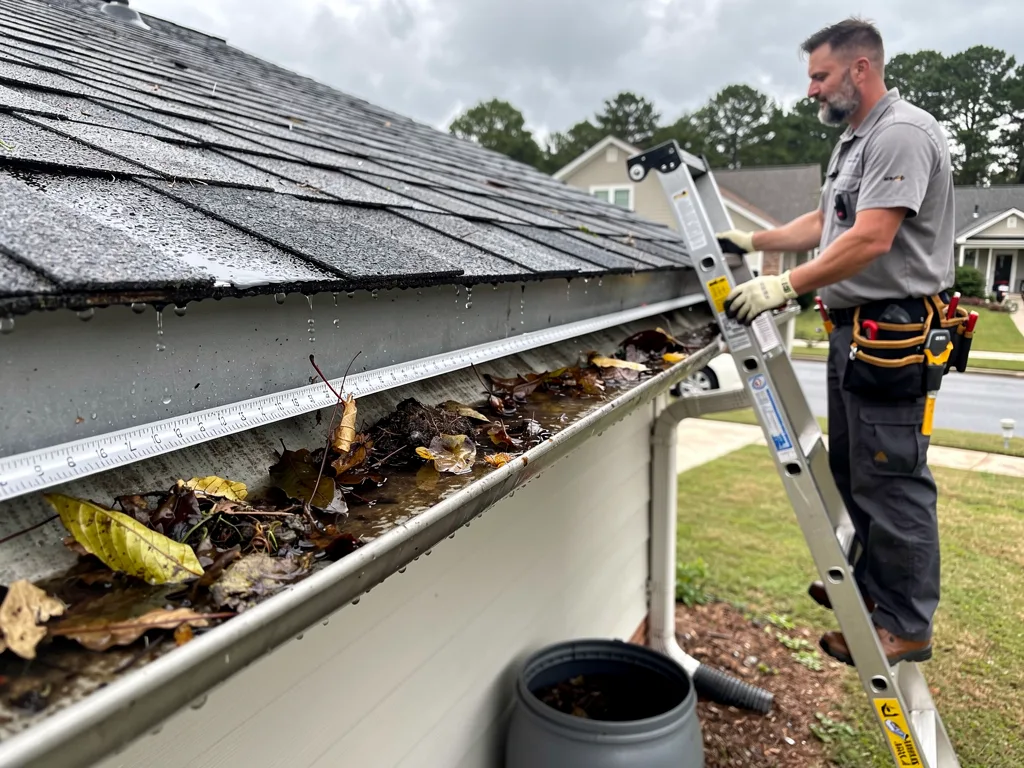
In Rock Hill, many homes have steep roofs or unique rooflines that can complicate access. A climb with a ladder to inspect the gutters is not inherently risky, but it carries potential for injury if you’re not careful or if the ladder isn’t stable. If you’re unsure about height, weather, or the condition of the fascia, it’s wise to call a gutter installer for a proper assessment.
What you can handle yourself this season
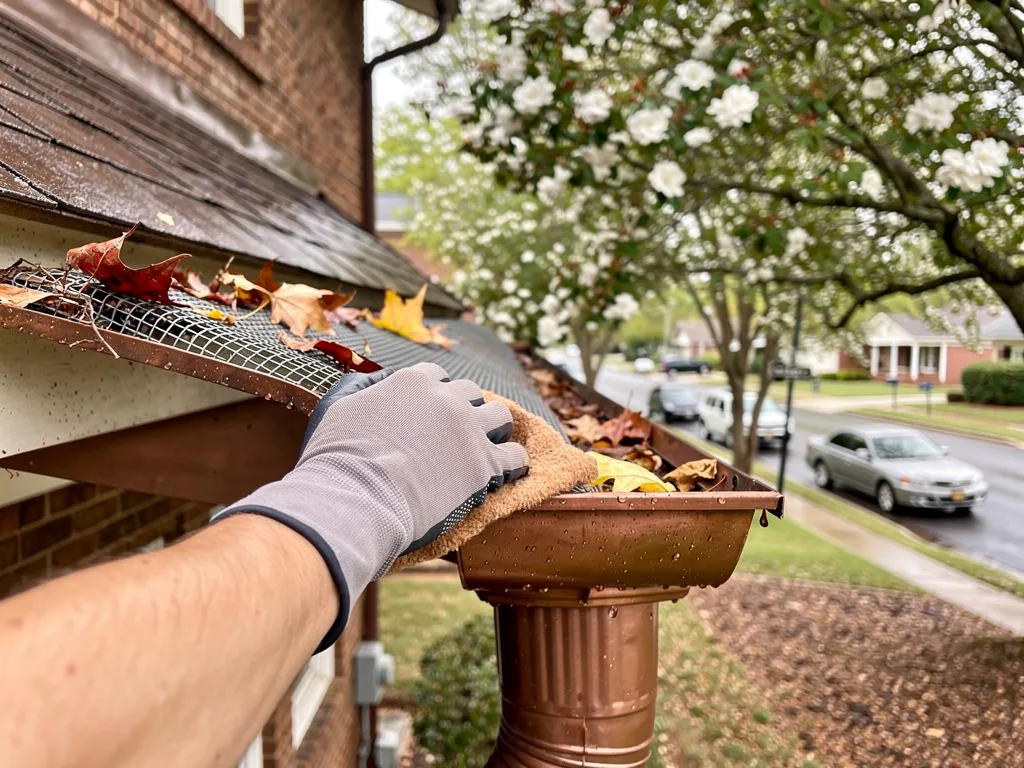
Clear debris from gutters and downspouts at least twice a year, and after major storms. Rinse with a garden hose to confirm water exits through the downspout. Check for sagging or loose hangers and tighten where you can safely reach. If you notice any vertical separation at seams or a noticeable sag, pause and call a pro.
Inspect the fascia and roofing edges for signs of water damage. If you see staining or soft spots, a gutter installer may need to reseat the system or add a protective apron. For Rock Hill homes, coordinating a routine check before the heavy leaf seasons helps keep water away from the foundation.
When to call Rock Hill Gutters Experts
When there’s persistent leaking, visible misalignment, or you’re unsure about the structure behind the gutters, set up a professional inspection. A gutter installer can identify hidden corrosion, rehang sections, reseal joints, and optimize downspout routing to improve drainage.
If you’re planning outdoor projects or a roof replacement, bring in a pro to review how the gutter system will interact with the new layout. A quick consultation with our crew can save time and prevent moisture problems later on.